The Brothers Grimm
Cinderella, Sleeping Beauty, Rapunzel, Snow White — we know them as gentle children's stories. But Jacob and Wilhelm Grimm collected these tales from ordinary people nearly 200 years ago. What most people don't know is just how different — and how dark — the original versions really were.
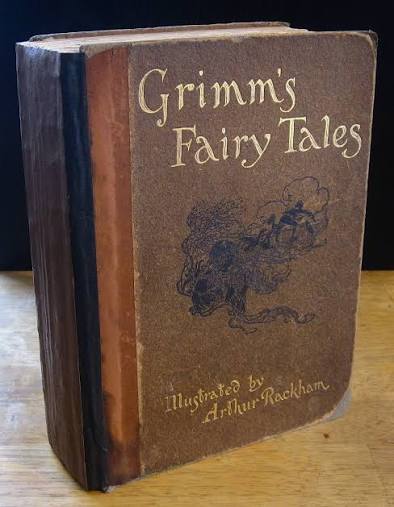
Who were the Brothers Grimm?
Jacob and Wilhelm Grimm were not actually storytellers. They were scholars, librarians and historians. In the early 1800s, they began travelling across Germany, listening to ordinary people tell stories — and writing them down. Their goal was to save the ancient folk traditions before they were forgotten.
The collection they published — known as Grimm's Fairy Tales — became one of the most famous books in the world. But what started as raw, rough, centuries‑old oral stories was slowly changed, softened, and made safer — until the tales we read today are often very different from what the Grimm brothers first wrote down.
Cinderella — The Shoes That Paid a Terrible Price
In the version we know today: the glass slipper fits, the prince finds Cinderella, and everyone lives happily ever after.
In the original Grimm version (Aschenputtel), the stepsisters actually cut off parts of their own feet to try to fit into the slipper — one slices off her toe, the other cuts away part of her heel. Blood pours out as they try to fool the prince. And at the wedding? Birds fly down and peck out the stepsisters' eyes as punishment.
No gentle fairy godmother. No happy forgiveness. Just — justice. And blood.
Snow White — The Queen's Dancing Shoes
We remember the poisoned apple, the glass coffin, and the prince who wakes her with a kiss.
In the Grimm story, the evil Queen is invited to Snow White's wedding — where she is forced to put on red‑hot iron shoes. She dances in them until she drops down dead.
That is how the original tale ends — not with mercy, but with punishment that burns.
Hansel and Gretel — The Witch in the Oven
Even today this one feels a little dark — children abandoned in the woods, a witch who eats children. But the Grimm version is starker still.
When Gretel pushes the witch into the oven, it is described clearly — she burns alive. And the reason the children were in the woods in the first place? Their own father agreed to abandon them because there was not enough food to feed everyone. Twice.
Hunger, abandonment, and burning alive — these were stories told by people who knew what hardship really felt like.
Rapunzel — The Prince and the Thorns
Rapunzel lets down her hair. The prince climbs up. They fall in love. Simple.
In the Grimm version, when the enchantress discovers what has happened, she cuts off Rapunzel's hair and drops the prince from the tower. He falls into a patch of thorns that pierce his eyes — leaving him blind. He wanders sightless through the wilderness for years until — eventually — he finds Rapunzel again, and her tears restore his sight.
A long, painful separation — before the happy ending.
Sleeping Beauty — The Hundred‑Year Curse
A spindle prick, a hundred years of sleep, and a kiss that wakes everything.
The Grimm version is called Briar Rose — and it is darker still. When the prince arrives, the hundred years have just exactly passed. The thorns that had grown up around the castle part to let him through. He finds the princess sleeping — and unlike some older versions, in Grimm it is a kiss. But the tale remains sharp, quiet, and solemn.
The Frog King — Thrown Against the Wall
In modern versions: the princess kisses the frog and he turns into a prince.
In the Grimm original? Disgusted and angry, she picks him up and hurls him against the wall. It is only from that violent act — not a kiss — that he transforms back into his human form.
Love did not break the spell. Anger did.
Not Written — Remembered
The most important thing to understand: the Brothers Grimm did not invent these stories. They collected them.
Most had been passed down by word of mouth — parents telling children — for hundreds, perhaps thousands of years before the Grimm brothers ever wrote them down. These were not originally children's stories. They were stories for everyone — told around fires, in cottages, by people living hard lives.
That is why they contain hunger, abandonment, cruelty and revenge. Those were things people actually faced.
How the Stories Became Gentle
As the years passed, the Grimm brothers themselves actually softened their own tales. Between the first edition in 1812 and the final edition decades later, they adjusted details, removed some of the harshest parts, and made the stories more suitable for children.
Then translators, storytellers, playwrights, and eventually Disney changed them further. Bloody punishments became forgiveness. Violence became magic. Lessons about survival became lessons about being kind and obedient.
So the fairy tales we know today are actually polished, softened versions of much older, harder folk traditions.
Two sides of the same story
There is nothing wrong with the gentle versions we read to children. But it is worth remembering what lies beneath.
The Brothers Grimm gave us something extraordinary: they saved ancient folk wisdom that would otherwise have been lost. And the original tales remind us that fairy stories were never just about magic and happy endings — they were also about danger, courage, survival, and the difference between right and wrong.
So the next time you read a fairy tale — remember: somewhere beneath the sweetness, the older, darker version is still waiting to be found.